
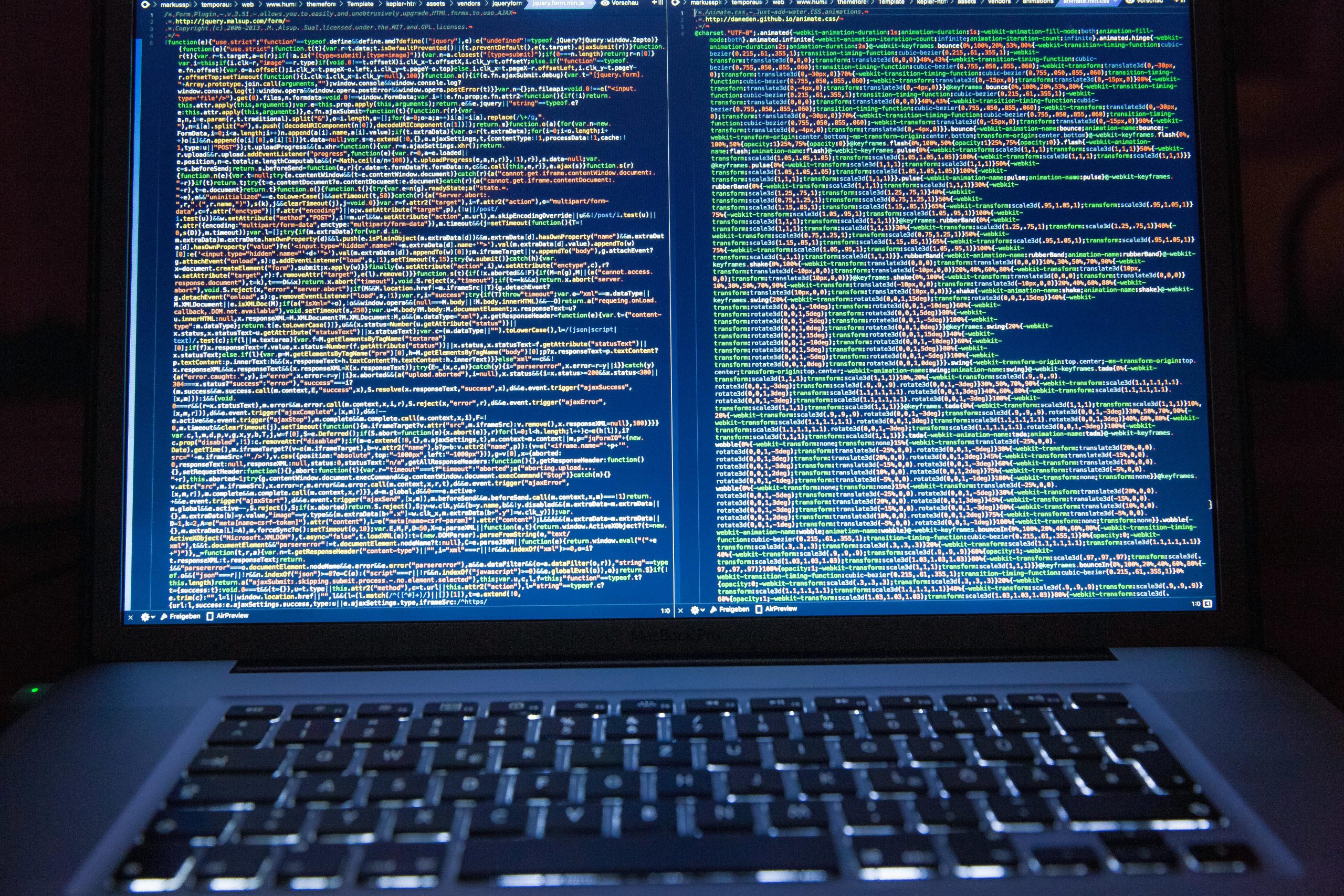
The right laptop can transform your coding experience from frustrating to seamless. According to Stack Overflow’s 2026 Developer Survey, 87% of developers report that hardware limitations significantly impact their productivity and job satisfaction. Are you ready to make an investment that will accelerate your programming career? Choosing the perfect coding laptop requires balancing performance, portability, and budget considerations.
Essential Hardware Specifications for Programming Excellence
The processor serves as the foundation of your programming workstation, directly impacting compilation times and multitasking capabilities. Modern development workflows demand at least a quad-core CPU, with Intel’s i5 or AMD’s Ryzen 5 series providing excellent performance for most coding tasks. Higher-end processors become essential when working with resource-intensive applications like Android Studio or Unity. Read the full article for comprehensive insights on making this crucial decision.
This might interest you : Luxury summer rentals in st barts: the ultimate guide
Memory requirements vary significantly across programming disciplines. Web development typically runs smoothly with 8GB of RAM, while data science and machine learning projects often require 16GB or more. Mobile app development, particularly iOS projects with Xcode, benefits tremendously from 32GB configurations due to the memory-hungry nature of simulators and build processes.
Storage technology dramatically influences your daily development experience. Traditional hard drives create frustrating bottlenecks during project compilation and IDE startup. Solid State Drives (SSDs) reduce boot times from minutes to seconds and make file operations nearly instantaneous. A 512GB SSD provides adequate space for most developers, though video game programmers working with large asset libraries should consider 1TB configurations.
Also read : Top luxury summer rentals in st barts you need to know
Operating System Considerations: Mac vs PC vs Linux
Le choix du système d’exploitation influence directement votre productivité de développement. Chaque plateforme présente des avantages distincts selon votre domaine de spécialisation et vos besoins techniques.
macOS excelle pour le développement mobile iOS et les applications web modernes. Son écosystème Unix natif facilite l’installation d’outils de développement comme Node.js ou Python. Les développeurs apprécient particulièrement Terminal et la compatibilité native avec des frameworks comme React Native. Cependant, le coût élevé du matériel Apple peut représenter un frein budgétaire.
Windows domine le développement d’applications d’entreprise et de jeux vidéo grâce à Visual Studio et au framework .NET. L’arrivée de WSL (Windows Subsystem for Linux) a considérablement amélioré l’expérience pour les développeurs web. Le rapport qualité-prix des machines Windows reste imbattable pour débuter.
Linux séduit les developpeurs backend et DevOps par sa flexibilité totale. Ubuntu et Fedora offrent un environnement de développement natif pour les technologies serveur. La personnalisation poussée du système permet d’optimiser chaque aspect de votre workflow, mais nécessite une courbe d’apprentissage plus importante.
Performance Requirements by Development Type
Different types of development work place varying demands on your laptop’s hardware. Understanding these specific requirements helps you invest your budget in the right components for your coding specialty.
- Web Development: 8GB RAM minimum, fast SSD for quick file loading, decent CPU for local server testing. Modern browsers consume significant memory during development and testing phases.
- Mobile App Development: 16GB RAM recommended for Android Studio and iOS simulators, powerful CPU for compilation, ample storage for SDKs and device images. Emulators are particularly resource-intensive.
- Game Development: Dedicated GPU essential for 3D rendering and testing, 16-32GB RAM for large asset files, high-performance CPU for real-time compilation. Unity and Unreal Engine demand substantial graphics processing power.
- Data Science: Maximum RAM possible (32GB+), powerful multi-core CPU for data processing, GPU acceleration for machine learning workflows. Large datasets and complex algorithms require exceptional computational resources.
- Enterprise Development: Balanced specs focusing on reliability, 16GB RAM for virtual machines, strong CPU for containerization, fast networking capabilities for cloud deployments and database connections.
Your development focus should directly influence your hardware priorities. Prioritize the components that impact your daily workflow most significantly.
Budget-Friendly Options Without Compromising Quality
Finding a quality programming laptop without breaking the bank requires a strategic approach. The key lies in identifying which specifications truly matter for your development work and where you can safely make compromises. Many developers overlook excellent options simply because they focus on flagship models instead of exploring smart alternatives.
Consider refurbished business laptops from reputable brands like ThinkPad or Dell Latitude. These machines were built for professional use and often offer superior build quality compared to consumer models at similar price points. You’ll typically find previous-generation processors that still deliver excellent performance for most programming tasks, paired with enterprise-grade keyboards and displays.
Another smart strategy involves targeting specific model generations. Last year’s flagship often becomes this year’s budget champion. Look for laptops that launched 12-18 months ago, as retailers frequently discount these models to clear inventory. The performance difference for coding tasks is often negligible, but the price savings can be substantial.
Brand-wise, Acer and ASUS offer compelling budget options without sacrificing essential features. Their developer-focused models typically include adequate RAM, solid processors, and quality displays while maintaining competitive pricing. The key is avoiding unnecessary premium features like touchscreens or ultra-thin designs that add cost without improving your coding experience.
Display, Battery, and Portability: Beyond Raw Power
The display becomes your primary workspace as a developer, making screen quality just as crucial as processing power. A 15-inch Full HD display represents the sweet spot for most coding tasks, offering enough real estate for multiple windows without overwhelming your desk setup. High-resolution screens reduce eye strain during those late-night debugging sessions, while good color accuracy helps when working on web design projects or user interfaces.
Battery life determines your freedom to work anywhere, and modern development laptops should deliver at least 8-10 hours of coding time. This allows you to work through meetings, travel days, or cafe sessions without hunting for power outlets. However, remember that intensive tasks like compiling large projects or running virtual machines will drain your battery faster than basic text editing.
The portability equation goes beyond just weight. A laptop weighing under 4 pounds feels manageable in your backpack, but consider the build quality too. Sturdy construction protects your investment during daily commutes, while a good keyboard layout prevents typing fatigue during extended coding sessions. The best developer laptop strikes a balance between power, portability, and durability that matches your specific workflow needs.
Future-Proofing Your Investment
The technology landscape evolves rapidly, making it crucial to select a laptop that won’t become obsolete within a few years. Future-proofing your coding machine means balancing current needs with anticipated technological shifts.
Look for laptops with upgradeable components whenever possible. While many modern laptops have soldered RAM and storage, some manufacturers still offer accessible upgrade slots. This flexibility can extend your laptop’s lifespan significantly as your projects grow more demanding.
Consider emerging standards that will define the next decade. USB-C with Thunderbolt support, WiFi 6E compatibility, and DDR5 RAM represent investments in connectivity standards that will remain relevant. These features ensure your laptop can adapt to new peripherals and networking improvements.
Build quality directly impacts longevity. Premium materials like aluminum chassis and reinforced hinges withstand daily wear better than plastic alternatives. A laptop that physically endures will have more opportunities to prove its technological staying power over time.
Frequently Asked Questions About Programming Laptops
Choosing the right laptop for programming can feel overwhelming with countless options and technical specifications to consider. These frequently asked questions address the most common concerns developers face when selecting their ideal coding companion.
What specs do I need in a laptop for programming?
For most programming tasks, you’ll need at least 8GB RAM, an Intel i5 or AMD Ryzen 5 processor, and 256GB SSD storage. These specifications handle web development, scripting, and moderate compilation tasks efficiently.
Should I get a Mac or PC for coding?
Both work excellently for programming. Choose Mac for iOS development and Unix-based workflows, or PC for broader software compatibility and better price-to-performance ratios across all development types.
How much RAM do I need for software development?
Start with 16GB RAM for comfortable development. 8GB works for basic coding, while 32GB benefits those running virtual machines, large databases, or memory-intensive applications like Android Studio.
What’s the best laptop brand for programmers on a budget?
Lenovo ThinkPad, ASUS VivoBook, and Acer Aspire series offer excellent value. Refurbished business laptops from Dell or HP also provide professional-grade reliability at affordable prices.
Do I need a dedicated graphics card for coding?
Most programming doesn’t require dedicated graphics. However, game development, machine learning, data visualization, or mobile app testing benefit significantly from discrete GPUs for rendering and computational tasks.